| |
Imane Humaydane |
 |
| |
Roman traduit d l'arabe (Liban) par Marianne Babut
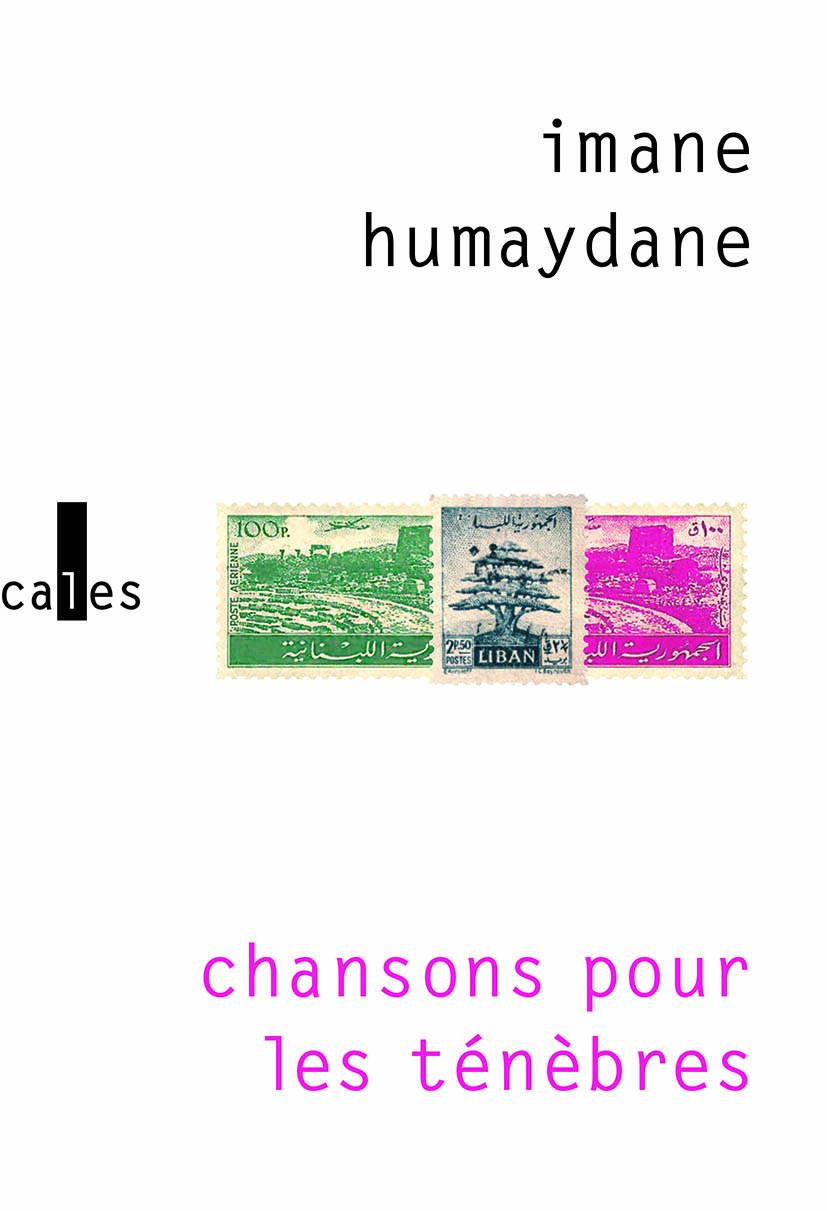
Cette saga libanaise de la famille al-Dali, vivant à Ksourah, prend à bras le corps les destinées de quatre femmes : Chahira, l’arrière-grand-mère, ruse pour que ses enfants échappent à la misère paysanne ; sa fille Yasmine, mariée à 15 ans, meurt en couche ; Leïla, privée de mère, épouse un cousin plus âgé et brutal, alors qu’elle porte l’enfant d’un autre ; Asmahan, la petite dernière et narratrice du roman, s’expatrie à New York en 1982. Deux partitions parallèles parcourent un siècle : celle d’un impossible féminin voué à l’aliénation patriarcale, et celle d’une impossible entente à l’échelle d’un pays au bord de la guerre civile. |
|
| |
Marianne Babuta reçu le prix Ibn Khaldoun en 2019. Parmi ses traductions : La traversée du K.0. de Mohammed al-Fakharany (Le Seuil, 2014 ; prix de la littérature arabe 2014), Yémen, écrire la guerre (Classiques Garnier, 2018), L’Orient sonore (Actes Sud, 2020) ou L'indésirable d’Inaam Kachachi (Gallimard, 2024).
This is the story of four generations of women from the Lebanese Dali family, residing in the village of Kasura in Mount Lebanon: Shahira, the great-grandmother, “Mother of All,” who marries at the beginning of the twentieth century and fights for her children to escape misery through education; her daughter Yasmin, married at 15, who dies after giving birth to Leila; Leila, raised by Shahira and living in the imaginary world of novels, marries an older cousin while carrying a child conceived with a Beirut idealist and tries to escape this violent marriage; and Asmahan, the youngest one and the narrator of the story, who emigrates in 1982, right before the civil war, after her husband takes their son away from her on his seventh birthday.
Their dreams, frustrations and contradictions are depicted against the backdrop of pivotal events in Lebanese history: the tragedies of the Great War; World War II and its intersection with the era of independence; all the way up to the civil war and the Israeli invasion of Beirut. Amidst these changes, male violence casts a heavy shadow over the crisis-ridden reality experienced by women, infecting their relationships with even the most progressive and open-minded men of the story. Only songs are able to comfort the soul in its darkness – but can anyone hear them?
|
|